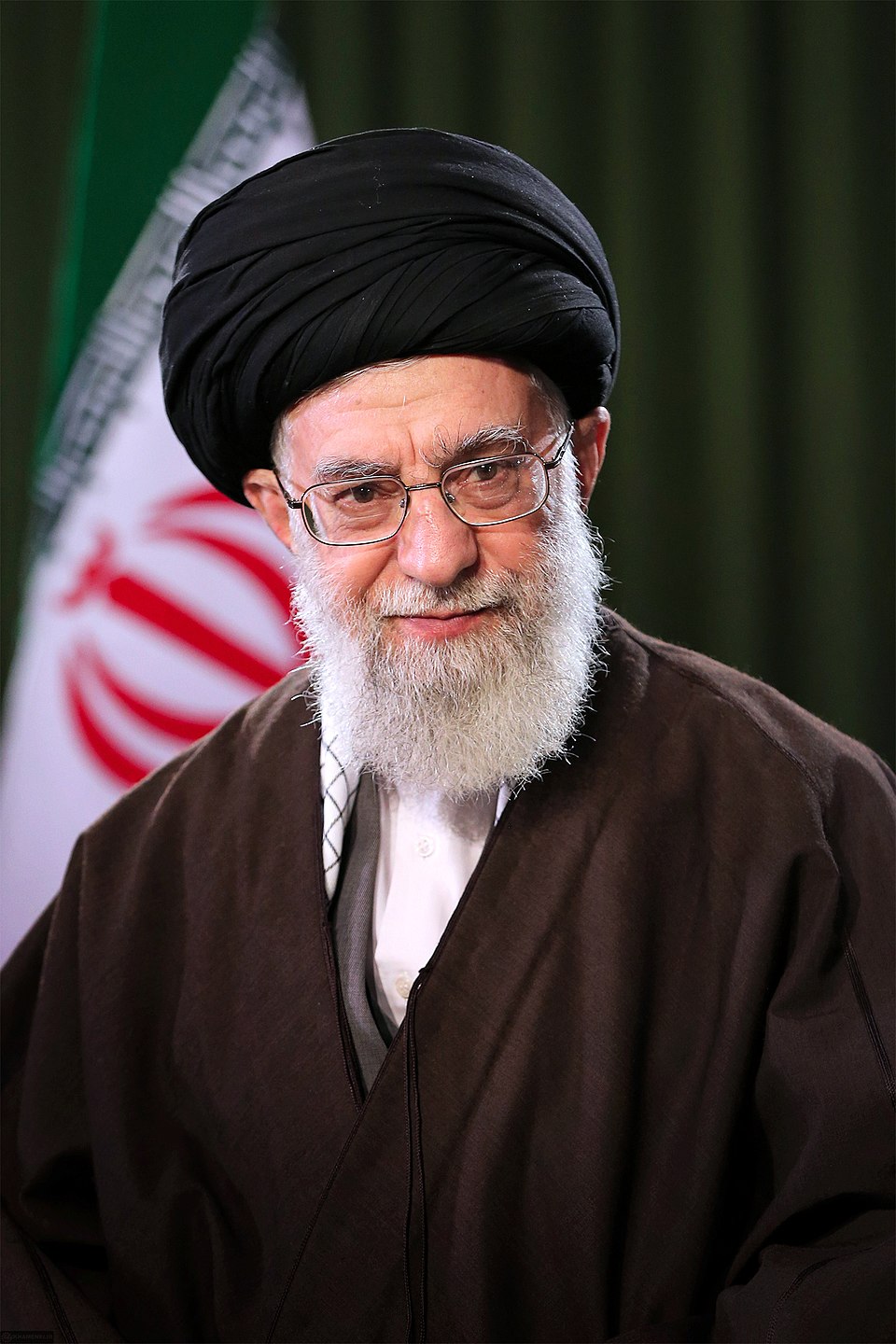
Why Iran Delayed Khamenei's Farewell: Beyond Just Crowds and Logistics
The announcement of Supreme Leader Ayatollah Ali Khamenei's passing, reportedly at 86 following US-Israeli strikes, sent immediate ripples through the geopolitical landscape. Initially, plans for his funeral were swiftly laid out: a tribute in Tehran on Wednesday evening, followed by burial in his home city of Mashhad. However, these arrangements were just as quickly postponed, with state television citing "unprecedented turnout" and logistical challenges. While the official explanation points to the sheer magnitude of anticipated mourners, a closer examination reveals a more intricate web of strategic considerations, security concerns, and the immediate imperative of a stable succession. The delay in the `iran khamenei funeral` is not merely a practical adjustment but a calculated pause in a period of profound national and regional sensitivity.
The Official Stance: Unprecedented Turnout and Logistical Hurdles
Iranian authorities, through figures like Mohsen Mahmoudi, head of Tehran's Islamic Development Coordination Council, emphasized that the postponement was primarily due to "the expected participation of millions of people and the need to provide the proper infrastructure" for such a vast crowd. This narrative is not without historical precedent; the funeral of Ayatollah Ruhollah Khomeini in 1989 drew an estimated 10 million people, a staggering demonstration of public mourning that overwhelmed infrastructure and posed immense logistical challenges.
For a nation that venerates its spiritual leaders, a state funeral is more than just a burial; it is a profound national ritual, a display of unity, and a testament to the leader's legacy. Ensuring a dignified, orderly, and safe farewell for a figure of Khamenei's stature would indeed require meticulous planning for crowd control, medical services, transportation, and public safety. Requests from various provinces for their citizens to attend also likely contributed to the decision to reschedule, allowing more time for coordination. While this explanation holds considerable weight, it may only scratch the surface of the underlying complexities. For more details on the practical implications, read
Iran Postpones Khamenei Funeral: Millions Expected, Logistical Hurdles.
Beyond Logistics: Navigating a Volatile Security Landscape
The official narrative conspicuously avoided linking the funeral delay to the prevailing security situation. However, the timing of Khamenei's reported death comes amidst a highly volatile period for Iran. Reports of US-Israeli strikes "pummeling Tehran since Saturday, with missiles targeting military and government infrastructure," paint a picture of a nation under direct assault. While authorities might downplay the connection, the security implications of holding a massive public gathering in such an environment are undeniable.
*
Risk of Targeting: A gathering of millions, including potentially high-ranking officials and military personnel, presents a significant and tempting target for adversaries. Even the threat of disruption or an incident could undermine the regime's control and project an image of vulnerability.
*
Maintaining Internal Order: In a tense security climate, managing such a vast crowd also carries the risk of internal unrest or opportunistic agitation. The government would prioritize ensuring the mourning process remains peaceful and controlled, reflecting national unity rather than dissent.
*
Strategic Vulnerability: Holding the funeral prematurely, without adequate security preparations against external threats, could expose Iran to further strategic vulnerabilities. A delay allows for enhanced security measures and a more controlled environment.
This critical security dimension undoubtedly played a role in the decision-making process, highlighting the regime's need to protect both its citizens and its strategic assets. The delay, therefore, can be seen as a prudent measure to mitigate immediate security risks during a period of intense external pressure. Further insights into these geopolitical tensions can be found in
Khamenei's Death: Funeral Delayed Amid US-Israeli Strikes, Successor Search.
The Succession Conundrum: A Nation in "War Situation"
Perhaps the most profound unspoken reason for the delay in the `iran khamenei funeral` lies in the crucial matter of succession. The Supreme Leader holds ultimate authority in Iran, overseeing all branches of government, the military, and the judiciary, while also serving as the spiritual guide. The selection of a successor is a process of immense national importance, carried out by the 88-member Assembly of Experts.
Ayatollah Ahmad Khatami, a senior cleric and member of both the Guardian Council and the Assembly of Experts, stated that the country was "close to a conclusion" regarding the successor, but crucially added, "however the situation in the country is a war situation." This statement underscores the dual pressures on the Iranian leadership: dealing with external threats while simultaneously navigating the delicate internal process of selecting the next ultimate authority.
Delaying the funeral provides vital time for the Assembly of Experts to finalize their decision without the added pressure or distraction of a public mourning period. Announcing a new leader *before* or *during* the funeral could:
- Prevent a Power Vacuum: A clear line of succession established before the public ceremony ensures stability and continuity of governance during a critical transition.
- Project Unity: A united front from the Assembly of Experts and the swift installation of a new leader can project strength and stability both internally and externally, especially important during a "war situation."
- Avoid Undue Influence: The emotional intensity of a mass funeral could, theoretically, be manipulated or used to exert undue pressure on the succession process. A delay allows for a more measured and constitutionally aligned selection.
The qualities required for the Supreme Leader — a senior jurist with deep knowledge of Shia Islam, political judgment, courage, and administrative capability — mean the selection process is complex and cannot be rushed. Ensuring the chosen individual has broad support among the clerical establishment and the military is paramount for long-term stability. The mention of Khamenei's second son, Mojtaba Khamenei, often rumored as a potential successor, also highlights the internal dynamics at play. The delay offers a strategic window to manage these complex power dynamics effectively.
Projecting Unity and Strategic Patience
Ultimately, the postponement of the `iran khamenei funeral` transcends simple logistical challenges or even immediate security threats. It represents a strategic decision by the Iranian leadership to manage a moment of profound national grief and political transition with utmost care. By delaying the public farewell, Iran gains several critical advantages:
*
Controlled Narrative: It allows the regime to control the narrative around the Supreme Leader's death and succession, ensuring a message of stability, resilience, and unity.
*
Maximized Impact: Rescheduling the funeral for a time when security risks are potentially lower and the succession is clearer allows for the event to serve its intended purpose: a powerful display of national mourning and solidarity, free from external disruptions.
*
Time for Deliberation: It provides valuable breathing room for the internal political machinery, particularly the Assembly of Experts, to operate without immediate external pressures or the emotional intensity of a simultaneous national funeral.
*
Demonstrating Control: In a period of heightened tension, the ability to control the timing and conditions of such a crucial national event itself sends a message of strength and strategic patience to both domestic and international audiences.
The decision underscores the Iranian leadership's deep understanding of political symbolism and the strategic deployment of national events. They are not merely reacting but proactively shaping the conditions under which this critical transition will unfold.
Conclusion
The delay in Ayatollah Ali Khamenei's farewell ceremony, while officially attributed to the monumental scale of anticipated mourners, reveals a multifaceted strategic calculus. Beneath the surface of logistical challenges lie the pressing realities of an active and hostile security environment, coupled with the paramount imperative of ensuring a smooth and stable succession for the nation's ultimate authority. This postponement allows Iran's leadership to fortify its defenses, deliberate on its next spiritual and political guide, and ultimately present a unified and controlled front to its citizens and the world. The `iran khamenei funeral` is not merely an event; its timing and execution are potent instruments in shaping Iran's immediate future and its standing in a volatile region.