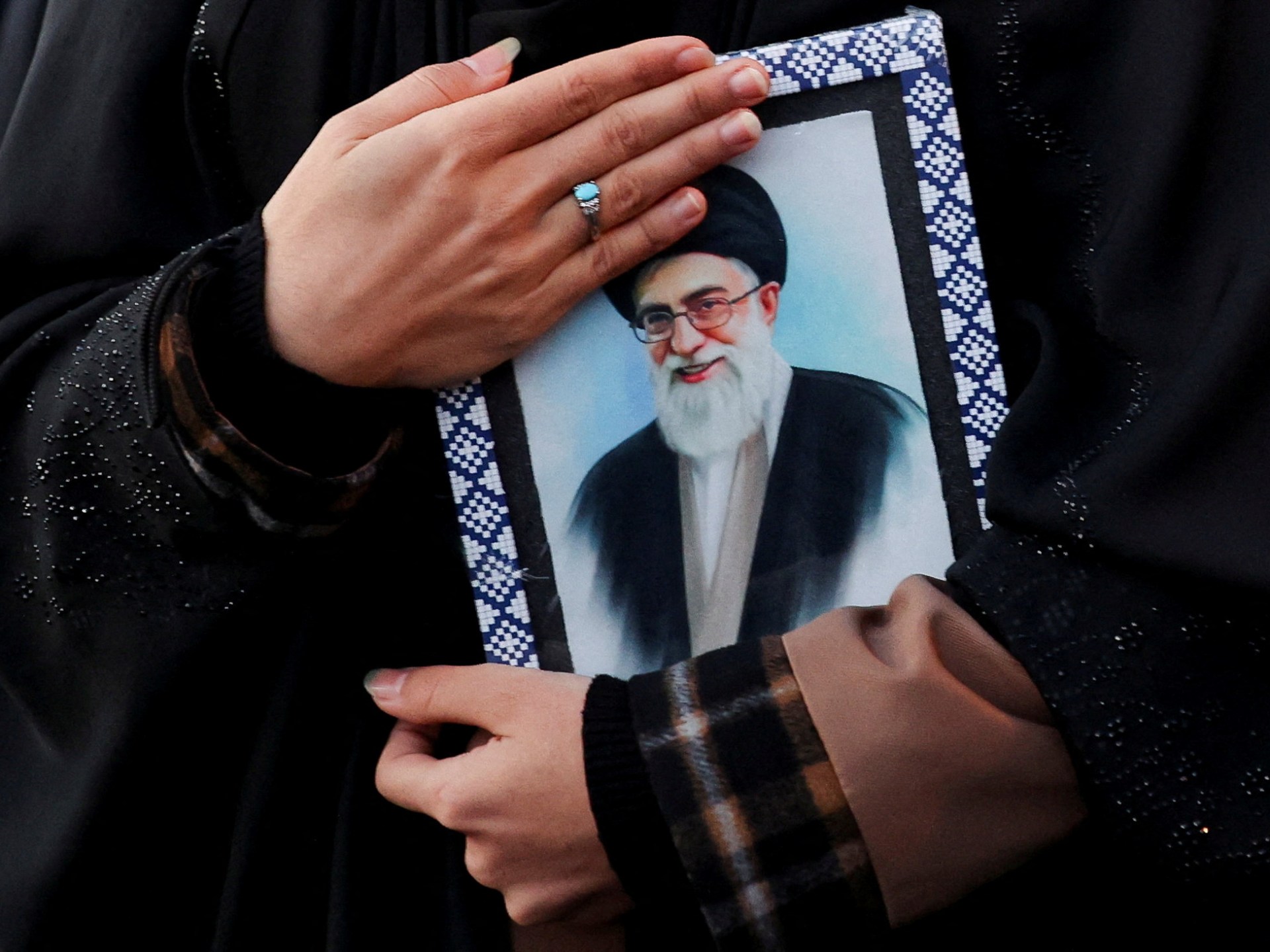
Iran Postpones Khamenei Funeral: Millions Expected, Logistical Hurdles
The Islamic Republic of Iran is currently navigating a period of profound transition and national mourning following the death of Supreme Leader Ayatollah Ali Khamenei at the age of 86. While initial plans called for a state farewell ceremony in Tehran on Wednesday evening, followed by his burial in the holy city of Mashhad, Iranian authorities have announced a significant postponement. This delay in the highly anticipated iran khamenei funeral is officially attributed to an "unprecedented turnout" expected and the immense logistical challenges such a massive gathering presents, though deeper geopolitical and security concerns undoubtedly underscore the decision.
The Unexpected Delay: A Nation in Mourning, Logistical Realities
On Wednesday morning, state television reported the postponement, stating, "The farewell ceremony for the martyred Imam has been postponed. The new date will be announced later." This unexpected announcement came days after Khamenei's death, which Iranian media has linked to recent US-Israeli strikes that have reportedly targeted military and government infrastructure in Tehran. Despite these ongoing tensions, officials were quick to clarify that the postponement was not related to the security situation.
Instead, Mohsen Mahmoudi, head of Tehran's Islamic Development Coordination Council – the body responsible for organizing the event – emphasized the sheer scale of anticipated attendance. He told state TV that the delay was partly due to "the expected participation of millions of people and the need to provide the proper infrastructure" for such a vast crowd. This echoes historical precedent; the funeral of Ayatollah Ruhollah Khomeini, the founder of the Islamic Republic whom Khamenei succeeded in 1989, drew an estimated 10 million mourners in 1989, highlighting the immense national reverence for Iran's Supreme Leaders.
Managing a crowd of millions in any major city presents monumental logistical hurdles. Such infrastructure considerations would undoubtedly include:
- Crowd Control and Safety: Ensuring the safe movement and dispersal of such a multitude, preventing crushes, and managing emergency situations.
- Transportation: Coordinating public transport, managing road closures, and facilitating the arrival of mourners from across the country.
- Medical Services: Establishing temporary field hospitals, first aid stations, and ensuring rapid response for any medical emergencies.
- Amenities: Providing access to water, sanitation facilities, and potentially food for attendees who may spend many hours at the ceremonies.
- Logistical Staging: Setting up massive screens, sound systems, and designated viewing areas to accommodate the crowds.
The initial plan had been for the farewell ceremony to begin at 10 pm (18:30 GMT) at Tehran’s Imam Khomeini Prayer Hall, continuing for three days. Hojjatoleslam Mahmoudi had previously stated that the prayer hall would be "receiving visitors and the dear people can attend and take part in the farewell ceremony and mark a strong presence once again." The sheer magnitude of this intended public display of grief and loyalty clearly necessitated a re-evaluation of the timeline.
Beyond Logistics: Undercurrents of Security and Succession
While Iranian authorities have officially downplayed security concerns, the backdrop of Khamenei’s death, reportedly in US-Israeli strikes, cannot be ignored. The reference to "Strikes [that] have pummelled Tehran since Saturday" suggests a volatile environment. Holding a mass public gathering, potentially drawing millions, in a city under such an implied threat would present an extraordinary security risk. It's plausible, therefore, that the delay offers critical time for security forces to thoroughly assess and mitigate any potential threats, ensuring the safety of participants and the dignity of the funeral proceedings. For more insights into these dynamics, consider reading Khamenei's Death: Funeral Delayed Amid US-Israeli Strikes, Successor Search.
Adding another layer of complexity is the urgent matter of succession. As Supreme Leader, Khamenei held ultimate authority over all branches of government, the military, the judiciary, and acted as the country's spiritual leader. His passing triggers a critical process to select his successor. Ayatollah Ahmad Khatami, a senior Iranian cleric and member of both the powerful Guardian Council and Assembly of Experts, confirmed that the country was close to choosing the next Supreme Leader. "The Supreme Leader will be identified in the closest opportunity, we are close to a conclusion, however the situation in the country is a war situation," Khatami told state TV.
The 88-member Assembly of Experts, elected by the public every eight years, is tasked with this crucial decision. Candidates for the Assembly must first be vetted by the Guardian Council, whose members are partly appointed by the Supreme Leader himself. According to Iran’s constitution, the candidate must be a senior jurist with deep knowledge of Shia Islam, possessing qualities such as political judgment, courage, and administrative capability. The choice of successor during such a "war situation" is paramount, holding immense implications for Iran's domestic and foreign policies. The delay in the funeral could strategically provide more time for internal political maneuvering, consensus-building, and ensuring a stable transition of power.
The Symbolism and Scale of a Supreme Leader's Farewell
A Supreme Leader's funeral in Iran is far more than a simple burial; it is a profound national event steeped in religious, political, and cultural symbolism. It serves as a powerful display of collective mourning, a reaffirmation of the Islamic Republic's foundational values, and a potent moment for demonstrating national unity and solidarity. The ceremonies typically involve extensive processions, public prayers, and eulogies delivered by high-ranking clerics and officials, often broadcast live across state media.
The anticipated "millions" signify a deep emotional connection and spiritual allegiance many Iranians hold for their Supreme Leader. Observing the eventual iran khamenei funeral will offer critical insights into the nation's mood, the strength of the regime, and the public's perception of the transition of power. Key symbolic elements to watch for will include:
- The Procession: The route and length of the procession, indicating areas of strong support.
- Religious Rituals: The specific prayers and ceremonies performed, and the high-ranking clerics leading them.
- Public Displays: The type of banners, slogans, and imagery used by mourners, reflecting national sentiment.
- International Representation: The presence (or absence) of foreign dignitaries, signaling global diplomatic relations.
These elements collectively contribute to a powerful narrative that reinforces the legitimacy and continuity of the Islamic Republic, particularly vital during a sensitive transition period.
Deeper Dive: Why the Delay Matters (and What to Watch For)
The postponement of the iran khamenei funeral, regardless of the official explanation, signals a period of heightened uncertainty and strategic calculation within Iran. Beyond the logistical challenges, the delay could be interpreted as a multi-faceted strategic move:
- Optimizing National Unity: Waiting for a more opportune moment might allow for greater participation from all provinces, fostering an even more impactful display of national unity and popular support for the regime, especially important during a succession.
- Ensuring Security: As discussed, a delay allows security apparatuses more time to secure the country, particularly major urban centers, against potential external threats or internal disruptions during a period of mass gathering.
- Facilitating Succession: The extra time can be crucial for various political factions and religious bodies to coalesce around a successor, ensuring a smoother and less contentious transition of leadership.
For a comprehensive look at the underlying reasons for the delay, explore Why Iran Delayed Khamenei's Farewell: Beyond Just Crowds and Logistics.
As the world watches, several key indicators will reveal the trajectory of post-Khamenei Iran:
- The New Funeral Date: Will it be announced quickly, or will there be a prolonged gap, indicating more complex internal deliberations?
- Successor Announcement: The timing and identity of the new Supreme Leader will dictate Iran's future direction.
- Security Measures: The visible level of security during the eventual funeral will speak volumes about the perceived threat level.
- International Reactions: How global powers, particularly the US and Israel, react to Iran's internal developments will be closely scrutinized.
Conclusion
The postponement of the iran khamenei funeral underscores the complex confluence of logistical challenges, profound national mourning, and underlying geopolitical tensions facing Iran. While officially attributed to the anticipated "unprecedented turnout" and the need for "proper infrastructure," the shadow of recent US-Israeli strikes and the critical process of succession undoubtedly play significant, if undeclared, roles. This delay provides Iran with a strategic window—to solidify security, manage the monumental logistics of a nationwide farewell, and, crucially, to navigate the intricate political landscape of selecting its next Supreme Leader. The eventual funeral will not merely be a ceremony of remembrance but a powerful barometer of Iran's stability, unity, and its future direction in a volatile region.